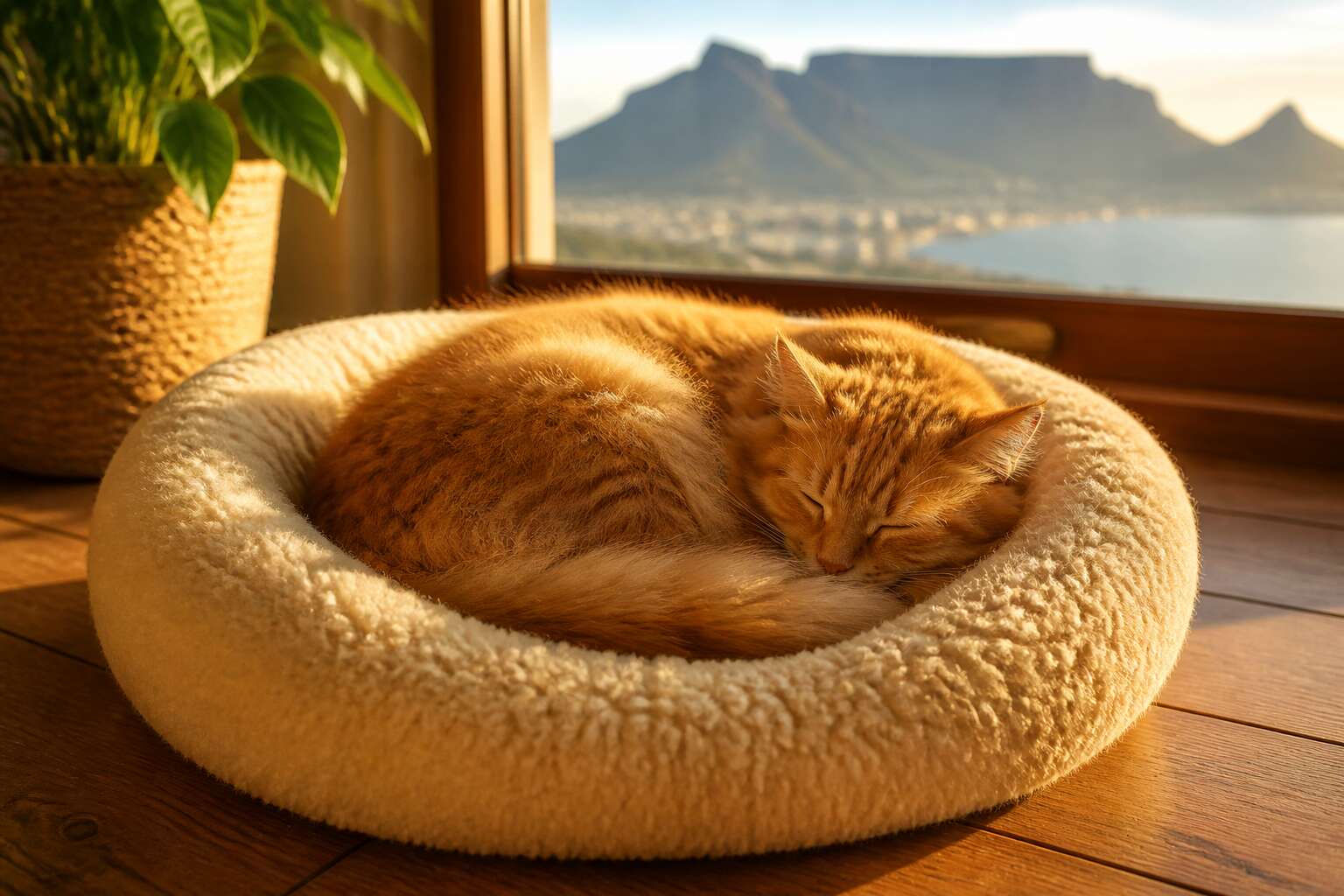
Why Cats Naturally Love Sheepskin
The Instinctive Attraction to Wool
A cat’s attraction to wool is rooted in instinct and early sensory memory. When a feline kneads a sheepskin fleece, it revisits the comforting sensations of kittenhood, a reflex that releases calming endorphins. The structure of natural wool, with its crimped fibers and lanolin residue, offers a texture that synthetic materials cannot replicate. This explains why a simple sheepskin becomes an immediate sanctuary.
Watch how cats engage with such a bed:
– They pace and circle, matching the nesting rituals of their ancestors.
– They knead with focused paws, often purring loudly.
– They settle into the deep pile, which cradles their joints and regulates heat.
A natural sheepskin cat bed Cape Town taps into this instinctive attraction. The breathable fibers keep the surface cool in summer and warm in winter, while the plush surface satisfies a cat’s deep need for security and territorial scent marking.
Temperature Regulation for Cape Town Comfort
Cape Town’s weather is a fickle orchestrator, swinging between Atlantic chill and valley heat. A natural sheepskin cat bed Cape Town performs a quiet alchemy. Wool’s hygroscopic core absorbs humidity from the air, releasing warmth when the southeaster drops temperatures. Conversely, the fibers wick moisture away during scorching afternoons. This isn’t mere insulation; it’s an exchange. For a sleeping cat, the difference matters:
- Summer: the pile stays cool to the touch, drawing heat off the body.
- Winter: the crimped fibers trap still air, creating a microclimate of comfort.
The lanolin residue also repels dampness common in coastal winters, keeping the surface dry. I’ve watched a senior cat choose sheepskin over a heated pad every time. That’s thermoregulation you can trust.
Softness and Joint Support
Watching a cat knead a sheepskin surface reveals a biomechanical assessment at work. When a feline presses into the deep pile of a natural sheepskin cat bed Cape Town, the curled fibers cradle each paw and joint. The bedding conforms to the cat’s body, distributing weight so no single pressure point protests.
This matters most for senior cats. Cats hide pain remarkably well. A senior cat with arthritis won’t limp; it will seek the one surface that allows it to rise without a grimace. Sheepskin’s fibrous resilience cushions hips and elbows weary from years of window-sill surveillance.
Buying a natural sheepskin cat bed Cape Town is orthopaedic furniture disguised as luxury. Your cat won’t thank you. It will simply sleep longer, stretch less stiffly, and judge you with marginally less contempt. That’s the closest thing to feline gratitude you’ll ever receive.
Calming Effects on Anxious Felines
Feline anxiety often hides beneath stillness. A cat may sit frozen, tail twitching, eyes fixed on a door that never opens. Sheepskin provides a tactile surface that interrupts this cycle.
Sheepskin contains lanolin, a natural wool wax that emits a faint, familiar scent. This odour signals safety to a cat’s olfactory system. The deep pile also holds the cat’s own scent, forming a personal territory that reduces perceived threats.
- Lowered heart rate during rest
- Fewer startle responses to noise
- Increased grooming, a self-soothing behaviour
In my experience, a natural sheepskin cat bed Cape Town quiets the most vigilant feline! Their breath slows. Their muscles unclench. The bed becomes a refuge where anxiety diminishes.
Cape Town Climate and the Sheepskin Advantage
Surviving Cape Town’s Chilly Winter Nights
Winter in Cape Town means cold fronts and damp air. Atlantic storms push rain into the city, and night time temperatures routinely drop below 10 degrees Celsius. The moisture seeps through old window frames and lingers in tiled passageways. The city’s cats already know this, and after a couple of Cape Town winters, so do I:
- Stone floors radiate cold for hours after the fire has died
- Linen and cotton bedding turns clammy overnight
- The temperature drops fastest between midnight and 4am
This is where sheepskin differs. The wool fibres are hygroscopic, meaning they trap moisture between their core and the environment. A natural sheepskin cat bed Cape Town stays dry underneath the sleeping cat, even when the outside humidity climbs above 80 percent during those wet, long June nights. The worst enemies of a cat’s winter sleep are the cold and the clinging damp. A natural sheepskin cat bed Cape Town defeats both simultaneously.
Breathability for Warm Summer Days
January in Cape Town tests a cat in another way. The southeaster strips the air of moisture, and heat accumulates on stone walls well into the evening. The same wool that trapped warmth in June now releases it, thanks to the natural crimp of the fibres. Each curl holds a pocket of still air, and those pockets move heat away from the body.
The breathability of a natural sheepskin cat bed Cape Town comes from this structure. Wool draws moisture vapour away from the skin, and the pelt remains dry and cool beneath the sleeping cat, even when afternoon temperatures climb past thirty degrees.
- The fibres wick humidity without becoming damp
- Air moves freely through the wool pile
- The surface stays cool against the cat’s belly
A natural sheepskin cat bed Cape Town therefore serves across the full curve of the Cape year, from winter’s black rain to summer’s white heat. Cats settle into it in both seasons.
Managing Coastal Humidity with Natural Fibers
Cape Town sits between two oceans, and humidity rolls in with the afternoon sea breeze. That moisture lingers in the air and inside the plaster of older homes. A cat’s coat traps this dampness against the skin, producing a unique odour best left uncharacterised.
Wool handles humidity with more composure. Each fibre absorbs up to 30 percent of its weight in moisture without ever feeling wet. The water molecules bind inside the protein structure, well away from the cat’s belly.
A natural sheepskin cat bed Cape Town exploits this property to keep the sleeping surface stable. When Atlantic mist pours over the mountain, the wool draws humidity from the cat and stores it deep in the pile, where it evaporates slowly.
The practical result, in list form:
- The wool buffers Cape Town’s humidity swings
- The pelt stays dry where the cat actually rests
- No clammy polyester against the nose
The natural sheepskin cat bed Cape Town has an advantage over synthetic beds in coastal suburbs.
Natural Odor Resistance in a Mediterranean Climate
Cape Town’s Mediterranean climate has a particular talent for intensifying household odours. The dry summer heat bakes whatever lingers, and winter rains make dampness cling. A synthetic cat bed collects stale scent within weeks. Wool behaves differently. The fibres trap odour molecules within their structure, and because moisture evaporates quickly in the dry season, there is less for bacteria to work with. That means fewer surprises when you walk into the room.
For a natural sheepskin cat bed Cape Town, this resistance is built in. Lanolin, the wool’s natural wax, repels the grime that causes smells. Consider how this works in practice:
- The pelt does not hold urine or saliva
- Odour molecules get trapped, then release during airing
- Weekly ventilation keeps the bed fresh
A natural sheepskin cat bed Cape Town outlasts any synthetic cushion in terms of olfactory politeness.
Seasonal Versatility Across the Mother City
Cape Town averages more than 3,000 hours of sunshine a year, yet the same city shivers through Atlantic winter fronts. This oscillation between extremes demands a cat bed that moves with the seasons rather than against them.
Across the Mother City, microclimates collide. A morning in Constantia may be blanketed in mist while Muizenberg bakes under berg wind. A natural sheepskin cat bed Cape Town belongs to no single season. The wool fibres flex with these shifts, holding structure through summer heat and winter damp without turning brittle or clammy. Unlike synthetic fillers that degrade after one rainy spell, the pelt retains its integrity month after month.
- The wool sheds dust during dry south-easter days.
- It resists matting when coastal fog rolls in.
- It keeps its loft across autumn and spring transitions.
This is a surface that endures the Cape’s temperamental rhythm, season after season, offering a steady place for a cat that has never known predictability elsewhere.
Selecting a Quality Natural Sheepskin Bed
Key Quality Markers to Look For
The natural sheepskin cat bed Cape Town pet owners select often fails before it ever touches a paw. The real question is whether the hide underneath the wool tells the truth. Quality reveals itself in what remains after the cosmetic finish fades.
Inspect the leather backing first. It should feel supple, not brittle, and pull away cleanly when you press a nail into it. A chemical tanning smell signals shortcuts. The wool itself needs spring, a resistance when you compress it with a palm. Shedding is normal at first, but persistent tufts signal a weak root structure.
Some markers worth noting:
– The leather should show natural grain variations, not a uniform plastic surface.
– Dense wool that takes a moment to recover after compression indicates a mature hide.
– Stitching along the edges should be tight and recessed, so curious claws find no purchase.
These elements determine whether your natural sheepskin cat bed Cape Town purchase survives the chewing, kneading, and daily wear that will test it.
Understanding Sheepskin Origins and Tanning
Before you buy a natural sheepskin cat bed Cape Town, ask where the hide actually came from. Sheep raised on wet, grassy pastures tend to grow coarser wool, while arid regions produce finer, denser fleece. That distinction matters because the origin affects how the bed feels under a paw and how quickly it mattes.
The tanning process is where many hides go wrong. Vegetable tanning preserves natural oils, leaving leather supple enough to survive enthusiastic kneading. Chrome tanning, by contrast, often leaves a chemical residue that can irritate a cat’s delicate nose.
- A label naming the exact country of origin.
- Leather that darkens slightly when pressed, indicating retained oils.
- An earthy, clean smell rather than a sharp tanning odor.
Reputable suppliers of natural sheepskin cat bed Cape Town products will volunteer these details. If the answer is vague, the wool likely hides a story you do not want your cat sleeping on.
Selecting the Right Size for Your Cat
Cats are honest about comfort. They circle, paw, and walk away if a bed fails their standard. When you shop for a natural sheepskin cat bed Cape Town, you are buying for a critic with no patience for compromise.
Quality shows in the pile. Run your hand against the grain. The fleece should spring back, not flatten. Press the leather backing. Thin, crinkly leather fails. Good leather retains a slight give.
Size is where owners misjudge. Measure your cat in their longest stretch, nose to tail tip. Add ten centimeters. That is the minimum diameter.
Consider these totals:
– 45 cm suits kittens under 4 kg.
– 60 cm fits average adults up to 6 kg.
– 75 cm works for Maine Coons or sprawlers.
Bulky is fine. Cats prefer burrowing. Choose a natural sheepskin cat bed Cape Town that dwarfs your cat, not the reverse.
Ethical Sourcing and Local Cape Town Suppliers
Ethics is crowded with claims. The word “ethical” appears on every label, yet transparency is rare. For a natural sheepskin cat bed Cape Town buyers can trust, the traceability of the pelt matters more than the marketing language around it. A natural sheepskin cat bed Cape Town should arrive with a clear story.
Look for suppliers who name their tanneries outright. Cape Town has several small workshops that process local hides and sell directly. Ask about the origin. A supplier who hesitates is hiding something. Traceable sourcing means a shorter journey, fewer intermediaries, and a person accountable for the final product.
- Visit the workshop or request photos of the tanning facility
- Ask about the breed and region of origin
I have found that strong local suppliers treat sheepskin as a craft, not a commodity. They know the flock, the farmer, and the process. That knowledge is the guarantee.
Matching Bed Styles to Your Cat’s Habits
Watch how your cat sleeps before choosing a natural sheepskin cat bed Cape Town. A curler needs raised edges to tuck into, while a sprawler wants a flat, open surface. Each habit dictates the construction.
For cats that burrow, look for a hooded style that holds warmth without covering the face. For those that drape over edges, a deeper pile with a firm base works better.
- Curled sleepers prefer rounded, nest like shapes
- Sprawlers need generous flat surface area
- Burrowers thrive in covered or hooded designs
Your selection of a natural sheepskin cat bed Cape Town should also account for pelt density. Run your hand across the wool. Quality pelts spring back after compression and feel consistent from edge to edge. Thin patches mean the bed will flatten quickly under repeated use, losing the support your cat depends on.
Avoiding Synthetic Imitations
Close your eyes and run your fingers through the pile. If it feels plasticky, it probably is. Many pet products mimic sheepskin with polyester or acrylic blends. These synthetics trap heat, hold odours, and flatten within weeks. A genuine natural sheepskin cat bed Cape Town has a distinct give. The fibres slide against each other with a soft, granular resistance. Synthetic imitations often carry an electrostatic charge. You will feel it when you separate the fibres. They also shed more readily than quality wool.
Ask to see the backing. Real hide has a leather underside with visible grain. Faux versions reveal a woven or felted base. In Cape Town, where the wind shifts between ocean and mountain, a natural sheepskin cat bed Cape Town breathes with the ambient temperature. Polyester does not. It stays damp and clammy. Your cat will notice the difference long before you do.
Practical Care and Maintenance in Cape Town
Simple Brushing and Spot Cleaning
In Cape Town, where the Atlantic breeze meets the dry berg wind, your cat’s bed collects more than just fur. Sea salt, fine grit, and the occasional muddy paw print find their way into the wool. A natural sheepskin cat bed Cape Town handles this with a simple weekly routine. Brushing lifts away loose fibres and restores the springy pile your cat loves.
- Work a slicker brush through the wool in slow, even strokes
- Shake the bed out in the garden on a dry morning
- Comb out surface knots before they mat
For inevitable spills, spot cleaning is effective. Dampen a cloth with lukewarm water, add a drop of mild wool soap, and blot gently. Never rub, as friction damages the delicate pelt. Allow the bed to dry slowly in a shaded, airy corner. Caring for a natural sheepskin cat bed Cape Town is a small ritual that keeps every nap fresh.
Hand Washing Guidelines
When the bed demands more than a brush, hand washing becomes a solemn act. In Cape Town, the tap water carries minerals that can dull the wool, so use filtered or rain water when possible. Fill a basin with cool water, no warmer than your elbow.
- Submerge the natural sheepskin cat bed Cape Town, pressing gently to release the grit.
- Swirl a capful of wool wash through the water.
- Drain and refill for a slow rinse.
Never lift the wet pelt by its edges! The soaked hide grows heavy and tears if hurried. Press the water out with open palms, then lay the bed flat on a towel in the shade. The Cape sun is unforgiving, and direct light turns the wool brittle. Give it two full days to dry, turning once. A natural sheepskin cat bed Cape Town emerges from this ritual softer, cleaner, and ready for the next winter storm.
Drying Techniques for the Cape’s Weather
Once washing ends, drying requires attention to Cape Town’s weather patterns. The South Easter that dries laundry in an hour will blast the wool into stiff tangles if unprotected. Choose a spot with gentle air movement, such as a covered patio facing away from the wind. Lay the natural sheepskin cat bed Cape Town on a breathable cotton towel, never on wire racks that leave creases.
Summer heat forces rapid evaporation, so turn the bed every few hours. In winter, when rain lingers, I move the bed near an open window. Slow drying in cool air beats artificial warmth. Keep it away from heaters; the leather stiffens if rushed.
Watch for:
- Morning south east breeze: good airflow, but pin the towel corners.
- Overcast winter days: extend drying time.
- Late afternoon sun: harmful, so bring the bed inside.
The natural sheepskin cat bed Cape Town regains softness only when the hide feels supple, after the wool looks dry.
Refreshing the Wool Between Washes
Your natural sheepskin cat bed Cape Town collects fur, crumbs, and the occasional spider between washes. A full wash is overkill when a quick refresh will do. Start with a vigorous shake outside, away from the wind, to loosen debris. Follow with a hand smoothing to restore the wool’s direction.
For smells, bicarb is a reliable ally. Sprinkle a thin layer, let it rest for an hour, then remove it completely. Avoid water entirely.
- Wool looks flattened in high traffic spots
- Dander accumulates near the edges
- A residual scent remains after airing
These signals mean the natural sheepskin cat bed Cape Town needs attention, not a soak.
Shopping Guide for Cape Town Pet Owners
Local Pet Boutiques to Explore
Cape Town’s pet retail scene has expanded by nearly 40% over the past three years. That growth means more shops now stock a natural sheepskin cat bed Cape Town cats actually prefer. Yet genuine wool bedding still takes effort to locate.
I visit boutiques in Woodstock, Observatory, and Constantia whenever I need to check products firsthand. The best stores let you feel the wool’s density and inspect the hide’s stitching. They also disclose their tannery partners without hesitation.
- Pet Magic, Claremont
- House & Pet, Muizenberg
- Bark & Whiskers, Gardens
Ask each retailer about their sourcing calendar. Stock arrives in batches, and autumn brings the widest selection of premium sheepskin options. A natural sheepskin cat bed Cape Town retailers order from Karoo farms offers the durability your cat deserves.
Online Stores Offering Local Delivery
Ordering a natural sheepskin cat bed Cape Town online has become simpler than fighting parking in the V&A. Local delivery networks now reach most suburbs, from Blouberg to Fish Hoek. Before you click buy, consider these points:
- Confirm the tannery origin
- Check wool thickness in photos
- Ask about allergy friendly certifications
- Verify delivery timeframes
One online store offers live video calls to inspect the hide. That helps. Another sends scent samples, which sounds odd until you realize your cat will judge it anyway. Prices vary widely. A premium bed with Karoo wool costs more, but lasts longer. I have ordered from two shops. Both delivered within two days. The first bed got chewed into submission. The second still looks pristine. That says enough about quality. See, online shopping for a natural sheepskin cat bed Cape Town buyers trust requires patience. But the convenience is worth it.
Visiting Markets and Artisanal Fairs
At the Oranjezicht City Farm Market, Saturday air mixes roasted coffee with sea salt. Among sourdough stalls, a pet vendor displays wool products. You touch the fleece, test density, and learn the tannery name and the farm that supplied the hide. Provenance matters.
The Neighbourhood Goods Market in Woodstock hosts similar finds. A stall holder I met in Green Point sourced her hides from a Karoo operation. She explained how wool crimp affects resilience and suggested a size based on my cat’s sleeping pose.
Ask at any market:
- Where was the hide tanned?
- How many months of wool growth are on the backing?
- Can you show me the stitch density?
Buying a natural sheepskin cat bed Cape Town style at a market means verifying quality in person. You walk away with a natural sheepskin cat bed Cape Town artisans stand behind, one that passed your own inspection. That direct exchange carries its own certainty.
Reading Reviews and Verifying Authenticity
Let’s say only 30 percent of online pet product reviews are genuine. That leaves a daunting margin for error when you are hunting for a natural sheepskin cat bed Cape Town has on offer. I read reviews the same way I read a wool label: slowly and with suspicion.
Look for reviewers who mention the hide’s smell, its backing, or how their cat kneads it. Those details signal authenticity. Then verify the seller. Ask for the tannery name. Request photos of the unfinished edge.
- Check for verified purchase badges
- Search the seller’s name on pet forums
- Ask for the supplier’s farm location
This process filters out imitations. A genuine natural sheepskin cat bed Cape Town artisans produce will always show its provenance under scrutiny.
Price Expectations and Long-Term Value
In Cape Town, a natural sheepskin cat bed commands a price that reflects its origin. Expect to pay between R800 and R1,500 at reputable boutiques, sometimes more for extra large hides or certified local tanning.
Compare that against synthetic beds. I have watched those cheap mats lose their shape within a single season. A genuine hide improves with age. The wool compacts where your cat sleeps, holding their shape season after season.
What does that price actually buy you?
- Traceable farm origin
- Vegetable or bark tanning
- Hand finished edges
The cost difference narrows with each passing year. The sheepskin bed becomes the longest lasting sleeping surface your pet will own, and that premium price stops mattering after the first winter.




0 Comments