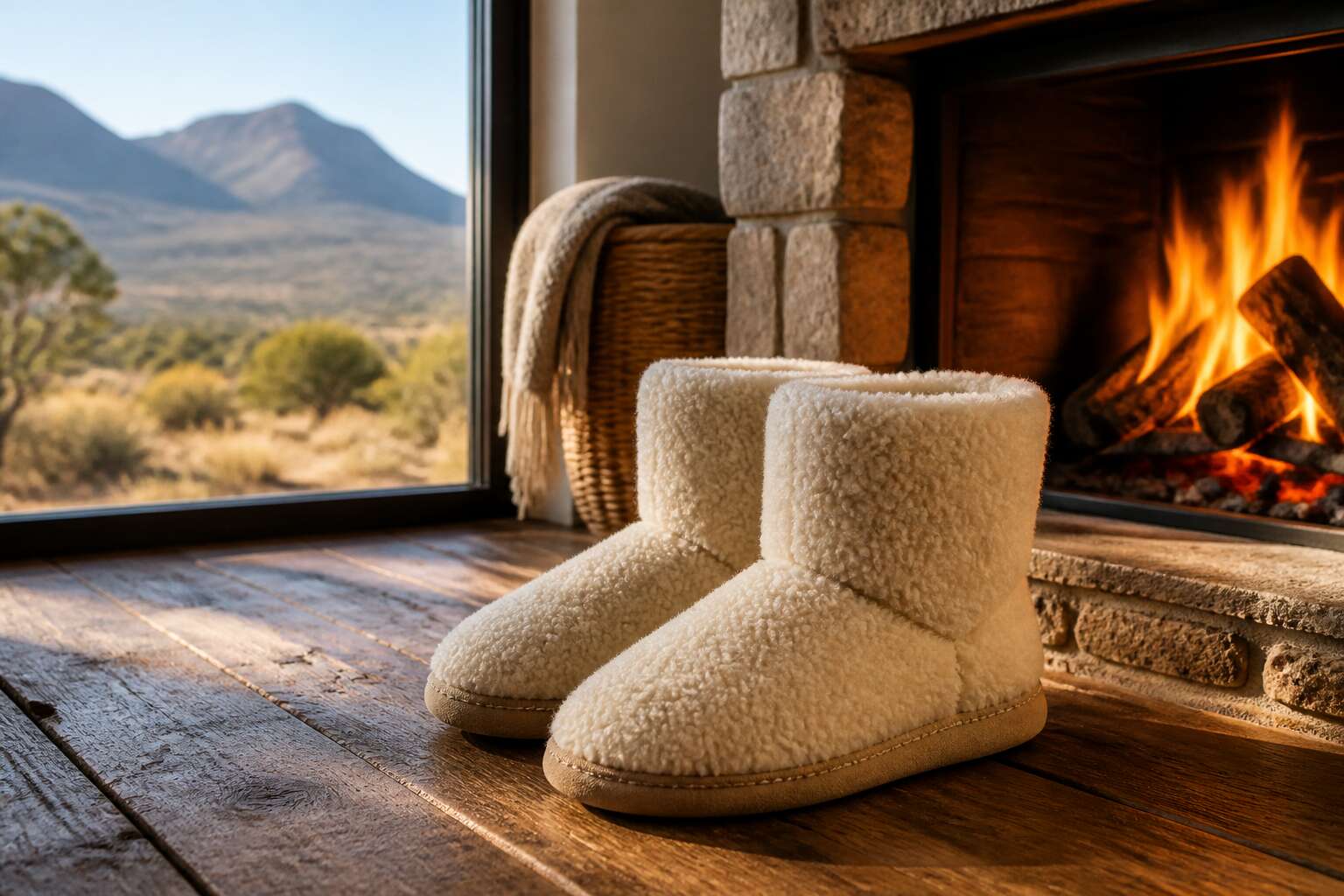
The Rising Popularity of Sheepskin Footwear in South Africa
Why Sheepskin Slipper Boots Have Become a Household Favourite
There is a quiet reason South Africans are moving away from synthetic footwear. The country’s climate, with its dramatic temperature swings, demands materials that adapt. Sheepskin slipper boots South Africa now hold a place in homes that once dismissed them as winter-only items.
The psychological pull is just as strong. After a year of digital noise and constant connectivity, people crave tactile, honest comfort. The genuine article, with its dense wool pile and durable hide, offers a sensory anchor. It slows the breath. It signals that the day’s performance is over.
This explains the shift:
- The natural keratin structure regulates heat, preventing clammy feet.
- The wool cushions each step, reducing joint strain for older wearers.
- The material’s longevity appeals to those tired of fast-fashion disposability.
These are not luxuries. They are small resistances against the disposable culture around us.
How South African Weather Conditions Drive the Demand
February in Johannesburg poses a peculiar social test. The morning air demands socks and a jersey; the afternoon sun has you hunting for shade. These daily reversals explain why sheepskin slipper boots South Africa shoppers now buy in pairs, as year-round companions rather than winter relics.
The trend has travelled through neighbourhood WhatsApp groups and dinner party chatter. Hosts now set out a basket of slippers at the door, a small ceremony announcing a well-ordered household.
The weather makes its case plainly:
- Highveld mornings start cold even at the height of summer.
- Coastal evenings carry a damp chill that settles into tile floors.
- Western Cape winters turn entryways into cold zones that demand reliable grip.
I reach for my sheepskin slipper boots South Africa every single month, and I suspect you do too! Once a minority preference, that habit now looks like common sense.
The Influence of International Fashion Trends on Local Buyers
When a Milan runway model descends a staircase in shearling-lined boots, Cape Town’s fashion-forward set takes notice within the season, not the decade. The global pipeline for sheepskin slipper boots South Africa buyers once lagged behind European winters by years. Now it moves at the speed of a single Instagram scroll.
Local shoppers have grown discerning. They study how Scandinavian brands layer natural materials, then demand that same quality from domestic retailers. The result is a market where international aesthetics meet local craftsmanship.
- Shearling collars on everyday footwear arrived from alpine après-ski culture.
- The minimalist Scandinavian influence pushes neutral tones over garish prints.
- British heritage brands normalised wearing sheepskin indoors and outdoors.
This cross-pollination means a pair of sheepskin slipper boots South Africa now carries social weight. Every step signals a preference shared across continents. That is the new etiquette of the well-heeled South African household.
Key Factors to Consider When Choosing Sheepskin Slipper Boots
Genuine vs. Synthetic Sheepskin: Spotting the Difference
Some sheepskin slipper boots South Africa retailers sell last for years. Others unravel after one wet winter. I have seen cheap pairs disintegrate within months. The distinction is the hide itself.
Genuine sheepskin retains lanolin, the natural oil that repels moisture and keeps feet warm. Synthetic fibres trap sweat and amplify odour. They also lack the breathability of real sheepskin, a critical factor in Cape Town’s shifting temperatures.
Here is how to expose the impostor:
- Burn a loose fibre. Real wool smells like singed hair; plastic reeks.
- Press the fleece. Genuine sheepskin springs back instantly.
- Inspect the backing. Suede with a tight grain signals authenticity.
Synthetic fleece often bases itself on polyester, which rolls into pills and flattens underfoot. True sheepskin slipper boots South Africa manufacturers use full hides that wear evenly. The price diverges sharply, but the longevity gap is wider still.
Sizing and Fit Tips for the Perfect Slipper Boot Experience
The sizing of sheepskin slipper boots South Africa shoppers encounter is less intuitive than standard footwear. Sheepskin yields to body heat. The fibres compress and spring back. What feels tight on day one settles in by the third. A loose pair only gets looser. That subtle initial pressure prevents a sloppy, sliding fit.
Consider these points before you settle on a number:
- Measure late in the day. Feet swell by afternoon.
- Try them with the socks you will actually wear.
- Walk a few meters in store. The heel should lift no more than a few millimetres.
The shaft height matters more than people expect. A taller boot anchors the ankle and changes how the sole flexes. For sheepskin slipper boots South Africa, choose your usual size for barefoot wear. Order a half size up if you prefer socks. The fleece moulds to your arch within a week, so trust the snugness.
Evaluating Wool Density and Insulation for Local Climates
Wool density determines how well a boot holds warmth without trapping sweat. Winter nights in Johannesburg routinely drop to 4°C, while midday temperatures climb above 20°C. Dense sheepskin absorbs that swing. The fibres trap dead air, which slows heat transfer. A loose pile feels comfortable on day one but fails during a cold snap.
Coastal humidity complicates things. Damp air conducts heat away from the foot faster than dry air. A tight, springy fleece resists moisture and keeps feet stable. The best sheepskin slipper boots South Africa maintain a consistent pile depth, even around the heel.
Press the wool between two fingers. Anyone choosing sheepskin slipper boots South Africa should inspect two markers:
– Fibre length above 15 mm
– Even density from shaft to insole
Low-grade shearling compresses flat within a season. High-grade wool bounces back for years.
Caring for Your Sheepskin Slipper Boots in the South African Climate
Cleaning and Deodorising Sheepskin Without Damaging the Wool
Highveld static and coastal humidity conspire against sheepskin, but the real damage begins with well-meaning washing. I have watched beautiful pairs ruined by a hasty machine cycle.
Always shake the boots outdoors to release embedded dust first. For spot cleaning, use a damp cloth with a dedicated sheepskin shampoo. Biological detergents strip natural oils and leave the wool brittle.
For deodorising, the old tricks work best:
– Sprinkle cornflour inside the boot in the evening
– Leave it overnight to absorb moisture and odour
– Shake it out thoroughly the next morning
Air dry in the shade, never direct sun. African light stiffens the hide and fades the colour.
Caring for sheepskin slipper boots South Africa requires adjusting to uneven weather patterns across the regions. Slow, steady drying keeps the pile springy and the fit true.
Drying Techniques That Maintain Shape and Softness
The drying phase determines whether your sheepskin slipper boots South Africa hold their shape or lose their structure. After any damp cleaning, press the boots with a clean towel to pull out excess moisture. Do not wring or twist. These actions damage the hide and distort the sole.
Stuff each boot with unprinted tissue paper or a rolled cotton towel to support the toe and shaft. Position the boots in a shaded area with good airflow. Avoid heaters and direct sun. The African light fades the leather and makes it brittle. Allow a full 24 to 48 hours for the moisture to escape.
- Remove the stuffing after 12 hours
- Gently reshape the boot with your hands
- Restuff it to hold the fresh shape
Finish by brushing the wool with a soft suede brush once completely dry. This restores the natural spring. Proper drying keeps your sheepskin slipper boots South Africa soft and supportive through many winters.
Storing Slipper Boots to Prevent Mould and Odour
The air itself carries the threat. In the coastal cities of KwaZulu-Natal, the humidity can exceed 80 percent for months, and this invisible moisture works silently into the fibres of your footwear. When you kick off your sheepskin slipper boots South Africa after a long day, the warmth inside creates a microclimate that invites mould spores and bacteria. The key to storage is controlling that environment, not just the boot itself.
Allow the boots to breathe before you tuck them away. A pair that goes straight into a cupboard after wear still carries the day’s warmth and moisture. Give them an hour in a dry, airy room first. Then choose their resting place carefully.
- Use a cotton or muslin bag rather than a sealed plastic container
- Place a small sachet of silica gel or baking soda inside each boot to draw out residual damp
- Keep them off the floor, where cooler air settles and condensation forms
The cupboard itself matters too. A wardrobe against an exterior wall in a Cape Town winter can develop damp spots. Store your sheepskin slipper boots South Africa on an upper shelf, away from the floor and away from any water pipes. Cedar blocks hung nearby help repel moisture and keep the wool fresh, but avoid mothballs as the chemicals can taint the hide.
Every few weeks, take them out and gently flex the shafts. This simple act circulates air and disrupts any settling spores. The smell of damp wool is difficult to reverse once it sets, so prevention through proper storage is the only true cure. A little attention to where and how you keep them will preserve the natural oils and softness for years.
Reviving Flattened Wool for a Like-New Appearance
Wool succumbs to gravity. The heel bears the most weight, the toes endure constant friction, and the pile slowly loses its original loft. After a season of wear, the wool looks tired, almost fused to the hide beneath it.
- Barefoot wear transfers skin oils that weigh the wool down
- Humidity in coastal cities softens and collapses the fibres
- Heavy objects stored on top crush the pile permanently
Restoring that loft is a mechanical act. A soft brush with natural bristles lifts the fibres when worked gently in one direction. In my experience, force only worsens the matting. The action reorients the pile to stand upright, rebuilding the air pockets that provide insulation and cushioning.
The technique works best on sheepskin slipper boots South Africa that are clean and fully dry. Brushing damp wool drags the fibres further out of alignment.
Exploring Popular Sheepskin Slipper Boot Styles and Trends
Classic Tall Boots vs. Ankle-High Slippers: Which Suits You Best?
In the hush of a winter morning, your choice of sheepskin slipper boots South Africa becomes a quiet declaration. Classic tall boots wrap the entire calf in fleece, forming a barrier against the creeping chill that haunts Pretoria’s early hours. Ankle-high slippers offer a lighter embrace, perfect for those who move between rooms without ceremony.
The prevailing style trends reveal a split preference. The tall silhouette carries an old world grandeur, suitable for long vigils by the window. The ankle cut suits a modern restlessness, eager for freedom. Both styles cradle the foot in genuine wool, yet they answer different temperaments.
Let your habits dictate your form.
Colour Variations and Pairings with South African Winter Wardrobes
In Johannesburg winters, the colour of your sheepskin slipper boots South Africa says more than you might expect. Chestnut brown remains the reigning monarch, but charcoal grey and deep burgundy are sneaking into lounges across the country.
- Classic tan with light denim and a chunky knit sweater
- Midnight navy boots with charcoal tracksuits for that deliberate “I own fleece” energy
- Natural cream with earthy tones to confuse the cats
The trend leans toward muted palettes that hide coffee spills. Bright colours exist, but they demand a confidence most of us lack before 9am. I have watched friends commit to rust orange and regret it by Tuesday. For sheepskin slipper boots South Africa shoppers, the quiet winner is versatility. A neutral shade moves from the stoep to the shop without raising eyebrows, while louder tones force you to own your choices every single step.
Open-Back and Slide Styles for Versatile Indoor Wear
The sheepskin slipper boots South Africa market has seen a curious shift in recent years. Open-back styles are no longer seen as a compromise, but rather a deliberate choice for those who value breathability over insulation. The freedom to slip in and out without bending or tugging matters in a household where the kettle is always on and the phone never stops ringing.
There is a quiet logic to the slide. It offers the same cushioned footbed and genuine wool lining as the full boot, while allowing the heel to breathe. For those who run warm, or for winter afternoons that turn unexpectedly mild, this design prevents the dreaded clammy foot. It also extends the wearability of sheepskin into the autumn months, where full boots feel excessive.
Local shoppers are also noticing how open-back styles handle the constant transition from tiled floors to carpeted bedrooms. The ease of movement is unmatched.
– Quick trips to the garden gate
– Late night kitchen visits
– Mid morning coffee runs on the stoep
The trend has gained traction in Cape Town particularly, where the humidity calls for a less enclosed fit. Pairing these slides with thick woollen socks has become a common sight in suburbs from Sandton to Umhlanga. The design no longer looks like a compromise. It looks intentional. And for many, the sheepskin slipper boots South Africa shoppers choose today are the ones that let them move without friction.
Lace-Up and Buckle Details for a Fashion-Forward Look
For a certain kind of buyer, the appeal of sheepskin slipper boots South Africa has moved beyond plush simplicity toward something with sharper edges. The lace-up boot leads that shift. Laces pull the shaft snug around the ankle, creating a structured silhouette that looks intentional. There is a utilitarian grace to the design, a nod to hiking boots without the weight. This borrowed formality pairs well with tailored trousers or dark denim.
Buckle details offer a different visual language. A single brass buckle across the instep adds a glint of ornament without shouting for attention. The adjustable hardware lets the fit match the exact width of your foot.
Popular touches on these fashion forward pairs include:
- Antiqued metal finishes that age well
- Contrast stitching along the shaft
- A tonal sole that keeps the profile clean
I favour the antiqued finishes for how they deepen with every wear. South African shoppers get comfort that does not need forgiveness when worn out of the house.
Eco-Friendly and Sustainably-Sourced Sheepskin Options
Eco friendly sheepskin slipper boots South Africa are not a contradiction. They come from tanneries that hold certifications like Leather Working Group approval, and from farms that manage grazing to prevent overgrazing. The hide is a byproduct, not the primary product. That distinction matters when calculating the environmental cost.
I look for three signs of responsible sourcing:
- Traceable origin, down to the specific farm or region
- Chrome free tanning with natural oils
- Biodegradable packaging
These details do not appear on the surface. You feel them in the way the boot keeps its shape, the way the wool stays dense after a season of winter wear. Wool is a renewable fibre, and when the entire process respects that, the boot becomes something you can live with for years.
Unisex and Kids’ Ranges: Matching Boots for the Whole Family
A family wearing matching sheepskin slipper boots South Africa is a rare sight, which is precisely why the trend keeps growing. The unisex wave has simplified household purchasing. One silhouette serves both partners. Wool density and hide thickness now do the work that gender-specific colourways once handled.
Kids’ ranges have moved past the miniature-adult approach. Reinforced soles, wider calf openings and double-stitched seams make children’s pairs durable enough for daily wear.
Coordination follows several paths:
- Graduated sizes of a single style
- Tall boots for adults against ankle heights for children
- Matching hides with a different trim shade per family member
Nobody plans this. It starts with one child refusing to return a borrowed pair.
Affordability and Longevity of Sheepskin Slipper Boots
Comparing Price Ranges Across Local Retailers and Artisans
The price spread for sheepskin slipper boots South Africa is wider than most shoppers expect. Chain retailers offer machine-made pairs from R650 to R950, while independent artisans ask between R1,200 and R1,800 for handcrafted versions. The gap leaves many first-time buyers hesitating at the shelf.
Yet the difference emerges after two winters. Retail boots often compress and lose their shape within a single season. Artisan boots use denser hides and reinforced soles, so they hold up for five winters or more. You pay more upfront, but the cost per wear drops noticeably. The artisan pair becomes the economical choice, not the extravagant one. Compare the stitching density and heel thickness before you judge a price tag.
How Quality Sheepskin Offers Better Long-Term Value
A mathematician would weep at the arithmetic most South Africans perform with slipper boots. They buy a R650 pair, then replace them every single winter. That is R3,250 over five seasons. Meanwhile, a R1,500 artisan pair sits beside the couch, still fluffy, still structurally sound. The paradox is elegant: the expensive option is actually the economical one.
When we discuss sheepskin slipper boots South Africa quality, we are discussing patience. Dense wool pile and intact leather backing create a lifespan that cheap alternatives cannot copy. The wool compresses, then recovers. The leather flexes without cracking.
Before judging a price tag, inspect three things:
– Stitching density per centimetre
– Heel thickness and sole reinforcement
– Whether the wool springs back after a firm pinch
Cheap boots have a brief relationship with your flooring. Good ones become part of the household, outlasting trends, winters, and even your favourite blanket.
Determining When to Replace Your Slipper Boots
For sheepskin slipper boots South Africa households, affordability is measured in years, not rand. A boot that lasts four winters costs less per wear than a flimsy pair replaced twice each season. The trick is knowing when the service life is genuinely over.
Honest inspection each winter reveals the truth.
- Wool that remains matted after brushing has lost its insulating air pockets.
- A sole that flexes too easily offers little barrier against cold floors.
- Stitching that shows bare threads signals the leather backing is about to fail.
These signs appear long before visible holes. Replacement at that stage protects the feet and the wallet equally.
Where to Purchase Authentic Sheepskin Slipper Boots in South Africa
Trusted Local Boutiques and Leather Specialists
Finding a pair of genuine sheepskin slipper boots South Africa requires more than a quick trip to a chain store; it involves a discerning eye and a preference for honest trade. I have found that the most reliable sources are the boutique stockists who have built their reputation on curating natural materials. These specialists often travel to the farms themselves to verify the source of their wool, ensuring that the pelts are thick and the tanning process is sound before an item ever reaches the hanger.
Local leather artisans also offer a level of transparency that mass retailers cannot match. When you step into their workshops, you can often see and feel the difference in the hide immediately. They take pride in the construction, using dense stitching and reinforced soles that survive our Highveld winters without losing their shape. For the discerning buyer, there are specific places to target:
1. Independent lifestyle stores in Cape Town’s southern suburbs.
2. Karoo farmers’ markets where sheepskin goods are often sold directly.
3. Family-run tanneries in the Eastern Cape that supply local boutiques.
The shift towards supporting local craftspeople has also improved the quality of what is available. When you purchase from these trusted local boutiques, you are not just buying footwear; you are securing a product that was made with an understanding of our specific climate. This assures that your purchase of sheepskin slipper boots South Africa will withstand daily use, something that imported alternatives often fail to do. You should avoid the temptation of bargain hunting at faceless discounters, as they typically stock low-grade cuts that lack the durable density of authentic local workmanship.
Online Marketplaces vs. Physical Stores: Pros and Cons
Online marketplaces offer a staggering range of sheepskin slipper boots South Africa, but they demand a discerning approach. A photograph cannot convey the pelt’s density or the stitching’s integrity. I have learned to ask sellers for close-ups of the heel seam and the wool base before committing.
Physical stores, however, let you run your fingers through the fleece and test the sole’s flexibility. The tactile advantage is immense! Local retailers in Johannesburg and Durban often carry curated selections that bypass the logistical delays of courier shipping.
- Check return policies carefully when buying online
- Visit physical stores during winter sales for better stock
- Ask about the tannery origin in both cases
The decision hinges on whether you prioritise convenience or sensory confirmation. Both routes can deliver authentic sheepskin slipper boots South Africa, provided you avoid the counterfeit traps. The choice depends on how much trust you place in digital descriptions versus your own hands.
Reading Product Labels to Verify Origin and Authenticity
Finding authentic sheepskin slipper boots South Africa requires attention to labelling. The label should state the tannery and country of origin. New Zealand and Australian tanneries have established reputations for quality. South African retailers often import from these regions.
Reading the label is the first defence against counterfeit products. Look for terms like “100% sheepskin” rather than “fleece-lined” or “faux fur.” The wool base should feel dense and spring back when compressed. A label that lists synthetic materials should raise immediate suspicion. Key indicators on authentic labels include:
- The tannery name and physical address
- Country of origin with a specific region
- A wool density percentage or grade
Trusted local boutiques in Cape Town and Pretoria maintain relationships with verified suppliers. Specialist leather shops will happily show you the product labels before purchase. Online sellers of genuine sheepskin slipper boots South Africa provide label photographs without hesitation.
Understanding Shipping and Return Policies for Online Orders
Finding sheepskin slipper boots South Africa is easiest through established leather boutiques in Cape Town, Johannesburg, and Durban. These shops let you inspect the wool density before buying. Online marketplaces offer broader variety, but they require careful vetting. Look for sellers who photograph the actual product labels, not stock images.
Shipping and return policies matter more than the boot’s colour. Some couriers charge import duties that double the price. Before checkout, verify:
- Return shipping coverage
- Duties and taxes included
- Exchange process for sizing issues
A generous 30 day return window suggests confidence in the product. Beware of sellers who define genuine sheepskin as anything resembling a sheep.

0 Comments