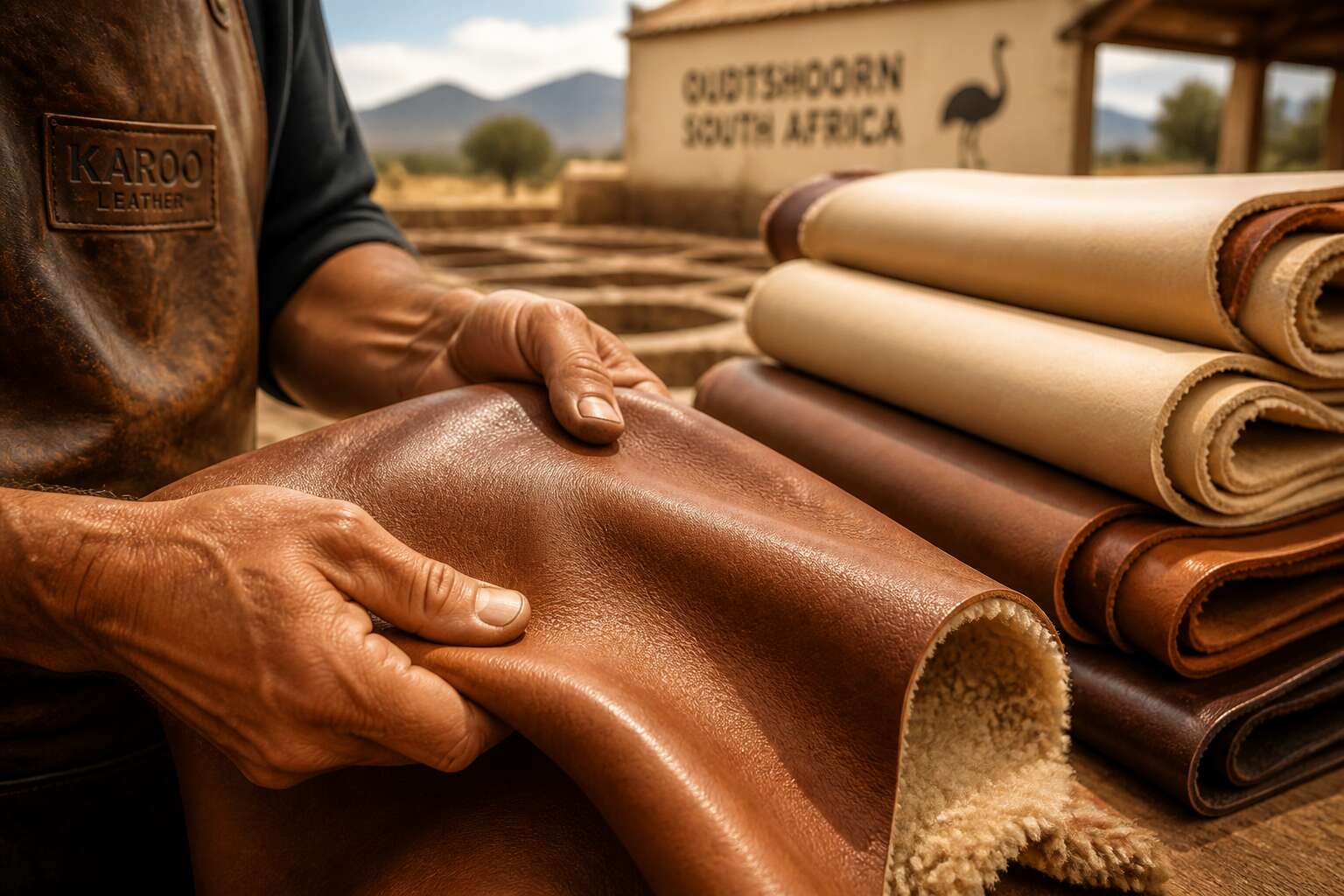
The State of the Sheepskin Leather Industry in South Africa
Historical Significance and Global Demand
South Africa produces over 4 million sheepskins annually, yet a large share leaves the country as raw material. That imbalance seems a bit daft, given the industry’s historical depth. Since the 1800s, Karoo farmers have supplied woolled hides to British and Dutch tanneries, building a reputation for fine, even grain.
Global demand has shifted. Luxury automakers and footwear brands now prize sheepskin for its softness and moisture wicking. This has opened new markets for sheepskin leather suppliers South Africa, who can offer shorter lead times and traceable sourcing.
- Merino sheep provide the finest, most uniform hides.
- Dorper sheep offer a coarser but durable alternative.
The key is retaining more processing locally, from pickling to final finishing.
Key Factors Driving Local Production
South Africa’s sheepskin leather industry is no longer satisfied with being a raw material supplier. A growing number of operations now keep the work at home rather than shipping hides to distant tanneries. The economics are simple: raw skins yield slim margins, while finished leather earns respect and higher prices.
Several factors drive local production:
- Rising shipping costs have made raw exports less attractive.
- International buyers demand proof of origin, and a Merino pelt processed in a Karoo tannery offers that reassurance.
- Stricter environmental regulations have forced upgrades, leaving tanneries cleaner and more efficient.
Tanneries now handle pickling, crusting, and finishing under one roof. This vertical integration explains why sheepskin leather suppliers South Africa offer lead times that overseas processors cannot match. Automakers and footwear brands rely on them for consistent quality, and local artisans appreciate the shorter supply chain.
Types of Sheepskin Leather Products
The state of South Africa’s sheepskin industry is cheerful. Sheepskin leather suppliers South Africa now handle a demanding global market, and local tanneries seem to enjoy the challenge.
Product types range from the practical to the indulgent:
- Automotive seat covers that survive bakkie abuse
- Fashion jackets with attitude
- Medical sheepskins for pressure care
- Throw rugs that make winter bearable
A supplier might ship a full container of finished leather to Germany while a local artisan waits for the same batch. Such is the irony of demand.
Economic Contribution and Export Trends
The economic heft of sheepskin processing in South Africa often goes unnoticed, yet the figures demand attention. For sheepskin leather suppliers South Africa, annual export values have climbed steadily, with finished pelts outperforming raw skins. This isn’t accidental. Investment in wet-blue and crust leather production has opened doors in Italy and Spain.
Domestically, the industry supports thousands of jobs, from farm labourers who handle the initial flaying to skilled artisans in the Cape. The multiplier effect is substantial. When a tannery exports a container of shearling, it also sustains chemical suppliers and logistics firms.
Key trends driving current trade volumes:
1. The rise of automation in cutting rooms has slashed turnaround times.
2. Stringent European Union regulations on chemical use now favour certified local tanneries.
3. Direct-to-retail partnerships bypass traditional commodity brokers.
These shifts create a dual narrative. While export values grow, local currency fluctuation adds a layer of uncertainty that only experienced exporters can navigate.
Essential Qualities to Look For in Sheepskin Leather Suppliers
Grading and Quality of Raw Hides
Fewer than one in five raw hides earn the top commercial grade. That statistic should shape how you evaluate sheepskin leather suppliers South Africa. The difference between a premium product and a reject is decided at the sorting table, long before tanning begins. I have seen perfectly good batches ruined by sloppy grading.
Grading rests on physical truths. A hide’s surface must be free of barbed wire scars, tick bites and fungal damage. Wool density and fibre length determine hand feel. Skin thickness dictates durability and flex.
- Traceability back to the originating farm or abattoir
- Consistent curing with controlled salt and moisture levels
- Clear rejection criteria for thin or damaged edges
Ask suppliers how they treat borderline hides. The best sheepskin leather suppliers South Africa will show you their defect logs without prompting. A house that re-inspects and rejects marginal stock shows the discipline your end product depends on.
Tanning Methods and Finishing Processes
Two hides may pass the same grading table and still feel worlds apart after tanning. That divide comes down to process. The best sheepskin leather suppliers South Africa control every bath, drum and drying rack. A vegetable tanning operation yields firm, matte leather that develops character with age. Chrome tanning delivers softer, lighter pelts with a plush drape. Neither is superior. The correct choice depends on your product and your customer’s expectations.
Finishing matters just as much. Pigmented finishes mask surface flaws for hardwearing goods. Aniline finishes preserve the natural grain, showing every mark the animal earned. Some tanneries buff the nap to a velvet suede. Others plate the surface for a smooth, polished hand feel. Ask for samples and bend them. Feel the give. Rub the surface.
– Insist on a documented chemical safety sheet for every batch
– Confirm the tannery can match a specific colour standard
– Request a sample from the same production run you intend to order
When you find a house that discusses fatliquor ratios and pigment penetration without hesitation, you have found a true specialist. The quiet expertise shows in the final product. Reliable sheepskin leather suppliers South Africa do not hide their methods. They invite inspection and share their tolerances. That openness is the difference between a supplier and a partner.
Certifications and Compliance Standards
Sixty percent of global buyers demand compliance documentation before placing a first order. Sheepskin leather suppliers South Africa must clear that bar before they can talk about grain or colour.
The essential qualities are simple to name but hard to fake. Traceability is the first filter. A tannery that cannot tell you which farm the hide came from is a liability. The second filter is certification:
- ISO 9001 for quality management systems
- ISO 14001 for environmental performance
- REACH compliance for European markets
- SABS marks for South African distribution
A reliable supplier volunteers this paperwork. They share chemical safety data sheets without prompting. They produce test reports for chromium content and tensile strength. They name their inspection bodies. When a supplier opens their books this way, they become a partner. The best sheepskin leather suppliers South Africa treat compliance as a baseline, not a bonus. That transparency protects your brand and your margin.
Supply Consistency and Volume Capabilities
Supply consistency separates serious sheepskin leather suppliers South Africa from seasonal operators. When a buyer orders 5,000 skins in January and again in August, the material must match in thickness, colour, and softness. This requires raw hide programs that run year round. The best operations maintain contracts with multiple farms, buffer stock in climate controlled warehouses, and reserve production lines for repeat orders. Look for these markers:
- Minimum order quantities aligned with your actual demand
- Fixed production slots for returning clients
- Contingency plans for drought or disease outbreaks
Volume capability means more than raw capacity. It covers forecasting, logistics, and absorbing sudden demand spikes without dropping quality. Ask how many skins they process monthly, then cross check that figure against documented output. Reliable supply chains here are built on verified capacity, not promises.
Navigating the Supplier Landscape Across South Africa
Major Processing Hubs and Clusters
Most sheepskin leather suppliers South Africa cluster in the Eastern Cape, where dense sheep populations and established tanneries create a practical concentration. Port Elizabeth serves as the main hub, though the reality is far more mundane.
Processing hubs follow a simple pattern: hides move from Karoo farms to coastal tanneries, then to Gauteng finishing plants. That sounds orderly, but anyone who has driven a bakkie loaded with hides knows better.
- Western Cape: garment leather and lightweight skins
- KwaZulu-Natal: shearling and double-face
- Free State: wool-on sheepskin for rugs
Each cluster has its own quirks, so matching your product type to the region is essential.
Direct Farmers vs. Wholesale Distributors
Buying direct from a Karoo farmer sounds romantic until you try to negotiate a price for 500 unwashed hides while a sheep kicks dust into your braais. Direct sourcing suits niche buyers, but wholesale distributors provide the storage, grading consistency, and export paperwork that farmers prefer to avoid. Both routes feed reputable sheepskin leather suppliers South Africa, yet the right choice depends on your volume and your patience.
- Direct farmers: lower unit price, variable quality, must own a bakkie and a strong back
- Wholesale distributors: stable grades, reliable supply, faster turnaround
Distributors buy across regions, smoothing out seasonal dips. Farmers sell what they have, when they have it. Predictability has a price, and for most serious buyers, sheepskin leather suppliers South Africa are best approached through a distributor who has already done the dirty work.
Specialist Sheepskin Tanneries
Specialist tanneries form the quiet backbone of this industry. A walk through a dedicated facility in Mossel Bay reveals why sheepskin leather suppliers South Africa keep gaining international traction. These operations control every stage, from soaking to staking, with equipment that balances water use against hide softness. They are artisans with engineering instincts. What sets them apart is the ability to process diverse raw stock while keeping chemical baths consistent. I have watched tanneries handle hairsheep for outdoor boots and merino pelts for premium jackets within the same week.
That flexibility demands strong effluent management, skilled labour, and a stubborn commitment to consistency. A reliable tannery usually lists its specialities plainly:
- Short-scoured hairsheep for fashion footwear
- Merino shearling for aviation seating
- Double-faced hides for outerwear and gloves
The supplier landscape is regional, with clustered operations near ports and old railway lines. Visiting a facility in person tells you more than certifications ever will. You can count the drums, inspect the pits, and judge the staff’s hands-on habits. That is the kind of insight no email request provides.
The Role of Industry Associations
Navigating the supplier landscape in South Africa demands more than a search engine. The best leads still come from industry associations, where tanners and buyers trade information in person. I once found a reliable partner in Uitenhage because an association secretary remembered a new sammying press. These bodies maintain directories, arrange factory visits, and mediate disputes. They track valid export permits and flag lapses in compliance. The member list is the first filter, removing speculative traders. It points toward sheepskin leather suppliers South Africa who have a physical plant and a reputation to protect. A local representative once told me, ‘Our role is to make sure you do not get burned twice.’ That advice saves weeks of legwork!
Some associations offer structured benefits for international buyers:
- Pre-vetted factory audits.
- Standardised grading benchmarks.
- Legal recourse through an industry tribunal.
For anyone searching, these associations lead you directly to sheepskin leather suppliers South Africa who are open to scrutiny.
Bridging the Gap with Importers and Exporters
One season of orders can shift a tannery’s entire production calendar. That is why the dance between importer and exporter requires such care. Foreign buyers bring specifications, while local suppliers bring context. I once watched a Port Elizabeth agent negotiate a price by referencing the last three rains. That local texture matters. sheepskin leather suppliers South Africa who bridge this gap share their capacity limits, sourcing regions, and grading criteria. They know a vague answer today becomes a returned shipment tomorrow. For importers, the lesson is reciprocal. Share your end market, price ceilings, and quality tolerances. Exporters cannot read minds across an ocean.
The strongest relationships resemble a shared ledger. Both parties update it often and question every variance. Useful conversations happen after the deal closes, on the factory floor, over rooibos, where real news about wool quality and wet weather emerges. Those informal details, not contracts, ultimately connect the right sheepskin leather suppliers South Africa with the buyers who value them.
Sustainability, Ethics, and Regulations in Sourcing Sheepskin
Understanding the Legal Framework
“Every sheep’s hide carries the memory of the veld it roamed,” a Karoo farmer once told me, a phrase that lingers long after the dust settles. In South Africa, the journey from pasture to premium product is not merely a supply chain; it is a covenant of care. The true measure of quality for sheepskin leather suppliers South Africa extends beyond the softness of the suede. It rests upon the daily, often unseen, practices of animal husbandry that define sustainability on the harsh African landscape.
Ethical sourcing here is a matter of practical survival. Producers who respect rotational grazing patterns ensure the land regenerates, preventing the scourge of overgrazing that turns green pastures into red dust bowls. This symbiotic relationship means the health of the herd is tied to the health of the soil. For the discerning buyer, this translates to a hide that is supple and strong, free from the blemishes that stress and poor nutrition inevitably imprint upon the skin.
Navigating the legal framework requires diligence. The regulatory environment is designed to protect both the legacy of the industry and the integrity of the export market. Compliance is a baseline, not a differentiator. Key obligations often include:
– Adherence to the Animal Diseases Act for traceability and biosecurity.
– Registration with the South African Veterinary Council for all handling procedures.
– Proof of compliance with the National Environmental Management Act regarding waste from tanneries.
Understanding these layers is essential. When you engage with reputable sheepskin leather suppliers South Africa, you are not just buying a material. You are investing in a transparent system that verifies the origin, audits the treatment of the animals, and ensures that every step, from the shearer’s hand to the tannery drum, respects the ethical boundaries set by law. That is the quiet assurance found in a truly responsible hide.
Traceability and Animal Welfare Concerns
A sheep’s skin records its history. Every stress, every illness, every poor meal ends up etched into the grain. For sheepskin leather suppliers South Africa, reading that record is the first step in responsible sourcing.
- Verify ear tag numbers against the flock register.
- Match shearing logs to the hide ID.
- Confirm veterinary certificates within the valid window.
A hide without documentation is a liability. Welfare failures leave permanent evidence. Thin, brittle patches indicate malnutrition. Scattered punctures suggest flystrike or careless dipping. The tanner can only work with what arrives. Audits are not bureaucratic theater. They separate professionals from opportunists.
Eco-Friendly Tanning Innovations
South Africa’s shift toward eco-friendly tanning is measured in reduced water tables and cleaner effluent. Chrome-free processes, vegetable tanning with wattle bark, and closed-loop systems are no longer niche experiments; they are becoming baseline practice. For sheepskin leather suppliers South Africa, this shift carries commercial weight.
I remember visiting a tannery outside Port Elizabeth. The manager pointed to a wetland restored beside the plant. That wetland is the byproduct of their biological treatment system. Innovation here is tangible! The most serious sheepskin leather suppliers South Africa now fund their own research into these systems rather than waiting for regulatory pressure.
– Enzyme-assisted unhairing replaces lime and sulfide
– Biomethane capture from sludge powers the drying sheds
– Recycled chrome recovery, where conventional chrome is still required
Ethical sourcing now includes these inputs. The regulations that govern wastewater discharge and emissions shape the supplier list. Consistency between imported sheepskins and local production depends on both sides respecting these standards.
Supporting Rural Communities and Fair Trade
In the Karoo and Eastern Cape, the sheepskin trade is often the economic backbone of small towns. When you choose sheepskin leather suppliers South Africa who prioritize fair trade, you are directly funding rural schools and local veterinary services. The premium paid for ethically sourced hides trickles down to farmworkers who manage the flocks through harsh droughts. This is not charity; it is a commercial loop where quality wool and skin depend on stable communities.
Regulatory compliance in this sector is more than a legal checkbox. It determines whether a rural cooperative can access export markets or remains confined to domestic sales. For sheepskin leather suppliers South Africa, adherence to the National Environmental Management Act and labor law creates a level playing field. Fair trade certification, often audited by third parties, verifies that shearers receive protective gear and that no child labor is present during lambing season. These standards are the invisible infrastructure supporting every pair of slippers or car seat cover shipped overseas.
The practical mechanisms of fair trade in this industry include:
1. Direct purchase agreements with farming collectives to bypass exploitative middlemen
2. Pre-financing of wool clips to help farmers cover operational costs before the shearing season
3. Transparent price breakdowns that show the exact share returned to the primary producer
These practices ensure that the raw material for sheepskin leather suppliers South Africa remains consistent, because a farmer who is paid fairly has the resources to invest in better fencing and animal health. The wetland restoration and chrome recovery efforts mentioned earlier mean nothing if the shepherd who tends the flock cannot afford clean water for his own family. In this way, sustainability, ethics, and regulation converge into a single, measurable outcome: a resilient rural economy that produces a superior product.
Practical Steps for Purchasing Sheepskin in Bulk from South African Suppliers
Requesting and Comparing Quotations
Here is a surprising truth about bulk purchasing: the best price on paper is often a fantasy in real life. When you request quotations from sheepskin leather suppliers South Africa, the initial number is merely the opening bid in a negotiation you have not yet begun. Most buyers treat the process like buying groceries, a simple scan for the lowest sticker price. This approach overlooks the most critical variable, which is the cost per square meter of usable hide after grading, not the raw price per skin.
To get meaningful numbers, provide exact specifications before asking for anything. State your required thickness, size range, and any colour matching needs. Then, ask specific questions about defects, allowable batching, and how they handle rejections. A supplier with a robust quality control protocol will happily explain their process, while a broker might skip over the details. For example, one importer I know saved 15% simply by switching from per-piece to per-square-meter pricing.
When comparing offers, avoid the trap of focusing solely on the total line item. Instead, break down the logistics and hidden costs. A quotation is only a portion of the story, but it tells you everything about the transparency of the operation.
– Verify if the quoted price includes delivery to your nearest port or if it is ex-works.
– Confirm the incoterms, as they dictate who bears the risk during transit.
A more detailed quotation might seem pricier upfront, but it often signals a supplier who understands the true cost of manufacturing. Ultimately, the goal is not to find the cheapest option. It is to find the partner who offers the fewest surprises, because in the tanning industry, surprises are never the good kind.
Sampling and Prototyping
Before committing to a full container load, test the water with actual samples. Reputable sheepskin leather suppliers South Africa will send swatch cards, but a swatch is not the same as a production sample. Ask for a full hide in your intended grade and finish. This reveals the true hand feel, the nap, and how the leather behaves when cut and sewn. It also exposes issues with dye lot consistency or finish adhesion.
A structured sampling phase should include:
– Ordering samples from at least three different suppliers under the same specification
– Testing each sample with your own manufacturing team to assess cutting yield
– Checking thickness variance across the hide with a simple calliper
This process takes time, but it separates serious producers from traders who are simply moving boxes. The extra days spent prototyping will save you from expensive mistakes further down the line.
Negotiating Payment and Delivery Terms
Once sampling confirms the quality of a supplier, the real negotiation begins with payment terms and delivery logistics. Most sheepskin leather suppliers South Africa expect a 30% to 50% deposit before production, with the balance due against the Bill of Lading. That is standard, but not fixed.
Ask for Incoterms that limit your exposure. FOB Durban shifts responsibility to you after loading, while EXW gives you control but also all liability. Structure the deal with:
- Payment against shipping documents, not on receipt
- A penalty clause for late containers
- Confirmation of whether export packaging is included
Delivery timing matters as much as price. The tanning sector operates on a 6 to 8 week lead time for full containers, depending on the finish. Some sheepskin leather suppliers South Africa will agree to staggered shipments over a 90 day window, which eases cash flow and warehouse strain. Negotiate that flexibility early.
Logistics and Shipping Considerations
Port congestion at Durban remains the recurring variable. Working with sheepskin leather suppliers South Africa means planning for unpredictable dwell times. A 20 foot container holds roughly 2,500 finished skins, but the true cost appears in demurrage fees. Choose a freight forwarder who knows the Cape Town terminals. They handle customs clearance, loading permits, and inspection delays. Ensure your packing list matches the commercial invoice exactly, since any discrepancy triggers a customs hold.
- Notify party details for the Bill of Lading
- Proof of origin for preferential tariffs
- VetHealth certificates for animal products
The sea voyage from Coega to northern Europe takes about 20 days. The real risk emerges after arrival. Insist on a release note sequence that prevents storage charges. Some suppliers offer consolidated warehousing when retail orders shift. Each extra touchpoint adds cost. A direct container from tannery to distribution centre avoids many delays. Reliable sheepskin leather suppliers South Africa manage port relationships, yet you must verify every document before the vessel sails.
Avoiding Common Scams and Pitfalls
Start with a small consignment before committing to full production runs. Reputable sheepskin leather suppliers South Africa will accommodate a test order of 200 to 300 skins. This reveals the true quality and consistency. During this phase, request the batch numbers and cross-check the chrome content against your specification sheet. Also request a direct line to the tannery’s production manager, not just the sales rep.
Be alert for the common warning signs:
– Bank accounts located in a different country than the supplier
– Reluctance to provide third-party inspection certificates
– Pressure to wire payments before loading
Fraudsters often target buyers who chase the lowest price. Compare the quoted rate per square metre against current global benchmarks. A deal that undercuts the tannery’s input costs simply cannot exist. Ask about the wool length and shrinkage after tanning, since these factors determine the final yield. If the supplier hesitates on technical details, move on. The right sheepskin leather suppliers South Africa will answer every question without deflection.




0 Comments