The Appeal of South African Sheepskin
Natural Quality and Climate Influences
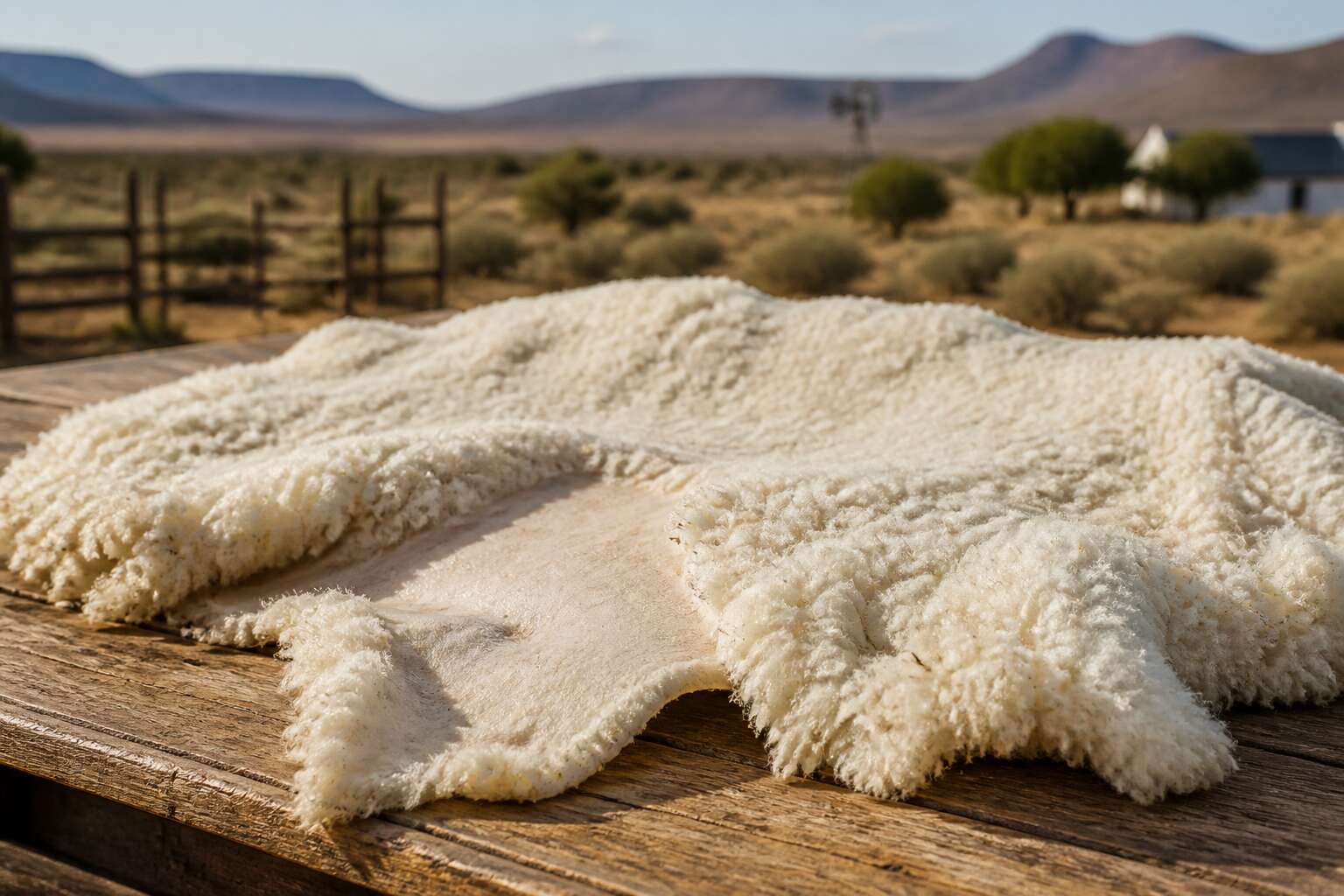
The Karoo’s unforgiving sun beats down on flocks that have adapted over centuries. This harsh environment, where winters bite and summers scorch, forces the sheep to develop a denser, more resilient fleece. The result is a raw material with a reputation that precedes it. For those who buy raw sheepskin South Africa offers, the allure lies in this very provenance, a tangible history of survival etched into every fibre.
The climate imparts a specific character that cannot be replicated. Sheepskins from the wetter coastal regions produce a softer, more pliable hide, while inland specimens boast a sturdier, more robust structure. Consider the factors that shape the final product:
- The intense UV radiation naturally bleaches the wool to a brilliant, ghostly white.
- Mineral-rich soil and native Karoo bushes infuse the leather with a unique, earthy undertone.
- Temperature extremes trigger a natural lanolin production that lends the wool its signature water resistance.
This environmental alchemy creates a product of remarkable depth. When you buy raw sheepskin South Africa, you are not acquiring a mere commodity. You are procuring a piece of the landscape itself, a remnant of the vast, open spaces that define the region. The quality is not manufactured; it is grown, weathered, and perfected by forces far more patient than any machine.
Versatility in Craft, Fashion, and Furnishings
I recently watched a Johannesburg upholsterer shape a raw pelt into a chair seat. Sheepskin’s versatility stems from its physiological makeup. The dense wool pile works independently from the supple leather backing, so each side serves a distinct function. Pattern makers cut it without fraying, and the wool masks minor flaws. Fashion houses prize the drape and insulation. Furniture makers rely on its temperature-regulating properties.
Artisans who buy raw sheepskin South Africa find the applications endless!
- Car seat covers that resist wear
- Trucker jackets
- Orthopaedic pillows
- Ballet shoe liners and camera bag inserts
The consistent supply of quality pelts from local abattoirs means production schedules stay reliable. International buyers increasingly recognise what local craftspeople have always known. A single raw market sheepskin becomes an entire product line.
Sustainability and Ethical Sourcing Practices
In South Africa, sheepskin is a byproduct of the meat industry, not a primary commodity. When you buy raw sheepskin South Africa, you participate in a circular economy where every fleece has purpose, and local tanneries adhere to chrome-free and vegetable tanning protocols. That reduces environmental burden considerably.
Ethical sourcing starts with traceability. Many farms operate under the National Wool Growers Association, which enforces animal welfare standards. The supply chain is remarkably short, often moving from abattoir to tannery within 48 hours. That immediacy minimises the need for chemical preservation, keeping the raw material closer to its natural state.
Consider these sourcing factors:
- Certified farms with audited welfare practices
- Low-carbon transport routes
- Transparent batch documentation
Raw Sheepskin vs Processed Hides
Defining Raw Sheepskin and Its Characteristics
Most people cannot tell a raw sheepskin from a tanned hide until they touch it. Processed hides have been through chrome baths and chemical relenting, which flattens the texture and removes the natural oils. Raw sheepskin still carries a faint farmyard smell and bends slowly when squeezed.
When you buy raw sheepskin South Africa, you are after that unvarnished state. It holds lanolin in the skin, keeping the wool shiny and the leather supple without added conditioning. The fibre structure stays dense, so it wears in rather than wearing out.
What marks a raw hide?
- It keeps its full thickness, never split or sanded down.
- The grain shows subtle variation, including birth scars and growth marks.
- It feels warmer and more pliable than a processed hide at the same weight.
Processed hides trade these traits for uniformity. They cut cleanly and resist water. You lose the organic behaviour that makes raw material special.
Key Differences in Handling and Preservation
Processed hides are easier to manage. They resist water and need no special storage. Raw sheepskin is more demanding. It requires careful handling and a specific environment to stay in good condition.
When you buy raw sheepskin South Africa, you accept these rules. Never fold a raw hide. Drape it over a rack or roll it loosely. Processed hides can be bundled without care. Raw hides dislike plastic bags. I once watched a friend seal one in a bin bag and ruin it in a month. The trapped moisture turns lanolin sour and encourages mildew.
Preservation follows a simple sequence:
1. Brush the wool weekly to remove grit.
2. Air the hide in shade once a month.
3. Keep it away from direct heat sources.
Processed hides can sit in a garage for years. Raw hides need regular attention. They reward the effort with a texture that improves with age. That is the difference.
How to Choose the Right Type for Your Project
Choosing between raw sheepskin and processed hides comes down to your project’s demands. Raw hides suit work where authenticity matters. Processed hides fit projects that need consistency across large batches.
Consider these factors:
- The final use. Footwear and upholstery often require processed hides for uniformity.
- Your timeline. Raw hides need curing time before use.
- The aesthetic. Raw sheepskin shows natural variation.
When you buy raw sheepskin South Africa, you accept variation. Each hide carries its own character. Processed hides offer repeatable results.
Your project determines the answer. A rug or throw benefits from raw texture. A garment needs the consistency of processed leather. I have watched crafters fail because they chose the wrong type for the wrong purpose.
What to Look for When Purchasing Hides
Grading Systems and Quality Indicators
A single hide can conceal decades of history in its grain, but most buyers overlook the quiet language of grading. When you buy raw sheepskin South Africa, the difference between a luxury throw and a brittle rug lies in the rigor of its inspection.
First, understand the grading system. South African tanners often use a lettered scale, from A for pristine to D for damaged. The grade reflects surface flaws, not structural integrity. A hide with a minor scar might be grade C but still perfectly strong.
Second, examine the quality indicators yourself. Grain smoothness signals careful animal husbandry. Selvedge thickness matters, as does lanolin content, which affects suppleness and longevity. A well graded hide feels dense, not thin. It resists tearing when pulled gently.
- Check for uniform colour without patchy darkening.
- Run your hand across the surface; rough spots indicate poor curing.
- Inspect the underside for clean removal of flesh, not ragged bits.
These clues matter more than any sticker. When you choose to buy raw sheepskin South Africa, always request the specific grading certificate, not a vague assurance. That document tells you exactly what you are getting.
Assessing Wool Density, Length, and Thickness
A sheepskin can carry tens of millions of wool fibers, but the hides you inspect rarely feel that abundant. When you buy raw sheepskin South Africa, density reveals itself through touch. Press your palm into the pile. A dense hide resists your hand and springs back promptly. A sparse hide feels thin, almost apologetic.
Staple length requires a ruler, not intuition. Long wool signals a winter shearing; short wool indicates summer harvests. Thickness, measured in microns, determines the hide’s destiny. Check for uniform crimp, which signals consistent nutrition. Assess the wool’s grip!
- Pinch a tuft and tug. Shedding fibers mean the roots have lost their grip.
- Part the wool and inspect the skin. Bald patches indicate past irritation.
- Feel for a springy undercoat beneath the outer layer.
A quality hide, the kind you want when you buy raw sheepskin South Africa, holds its wool firmly.
Leather Backing Integrity and Flaw Detection
The most telling flaws sit on the leather side, not in the wool. When you buy raw sheepskin South Africa, turn the hide flesh side up before making any decision. Run your hand across the suede surface. It should feel uniformly napped, not slick in patches.
Look for shear marks, those thin parallel lines left by a dull blade. They weaken the backing. Brand scars from farm markings never grow out. Tears along the edges can be trimmed, but holes in the belly region cannot.
Check the hide for:
- Waxy or greasy patches, indicating poor degreasing
- Thin or translucent areas that let light pass through
- Discoloration from improper curing
A backing that tears under light tension fails before the wool ever wears out.
Certification and Traceability Standards
Certification changes how you perceive a hide. When you buy raw sheepskin South Africa, documentation tells you whether the animal lived under humane conditions or vanished into an anonymous supply chain. The Karoo region has traceability systems that follow each skin from farm to export, and a responsible supplier will share that chain willingly.
A proper paperwork trail includes:
– The farm’s registration number
– The date of slaughter and skinning
– The curing method applied
– Export health certificates
Without these details, you are purchasing an unknown animal from an unknown location. The paperwork is not bureaucracy. It is the only evidence that someone accountable stood behind the product from beginning to end.
Trusted Sources and Marketplaces in South Africa
Direct Purchasing from Farms and Tanneries
South Africa’s sheepskin trade runs through a tight network of farms and tanneries. Finding the right supplier takes patience, but I’ve learned the payoff comes in the hide itself. The Western Cape and Karoo regions host most operations.
When you buy raw sheepskin South Africa, several trusted channels exist:
- Direct farm visits in the Karoo, where producers show seasonal stock.
- Regional agricultural fairs, where buyers inspect before committing.
- Established tanneries in the Western Cape serving export markets.
Each route changes what you pay. A tannery source offers uniformity across multiple hides. Farms offer natural variation. For crafters, the direct farm route often delivers better pricing and full provenance.
Specialized Suppliers and Auction Houses
Specialized suppliers fill the gaps where farms and tanneries leave off. These brokers often buy raw sheepskin South Africa in small batches, then sort and grade each hide by hand. Their stock reflects a narrower selection, which suits artisans who need consistent wool length or specific skin weights. One such supplier in Worcester taught me to examine the flesh side for residual fat, a detail many buyers overlook.
Auction houses present a different rhythm. Provincial sales draw a crowd of exporters, leather goods makers, and overseas agents. Lots move quickly, and bidding requires reading the hide against the light before the hammer falls. Prices swing with seasonality, drought, and export demand, so patience pays.
- Specialized suppliers: curated lots, often with certification
- Auction houses: ungraded pallets, best for bulk buyers
- Co-operative depots: pooled farmer stock, weekly availability
Each channel has its own vocabulary and pace. For anyone ready to buy raw sheepskin South Africa, these alternatives offer leverage beyond direct farm deals. The key is knowing your own threshold for risk and volume.
Online Platforms and Export Agents
Last season, a Durban tanner sold 400 raw wool sheepskins to a Milan buyer without a single phone call. Online platforms have altered how buyers source hides. You can buy raw sheepskin South Africa from a tablet while sitting in a Cape Town café. Digital storefronts list stock from multiple provinces, with images that show wool and flesh side details. Payment portals and courier tracking make the transaction feel almost ordinary, until the bales arrive.
Export agents operate at a different pace. They consolidate orders, manage freight documentation, and arrange customs clearance. Their networks reach tanneries that do not advertise publicly. For international buyers, this removes uncertainty from cross-border purchases.
- Verified supplier directories
- Digital escrow for large payments
- Inspection reports before dispatch
The distinction matters when you buy raw sheepskin South Africa for production runs: knowing whether the seller owns the stock or brokers it on commission.
Networking with Local Artisans and Cooperatives
Trust in this trade often moves through hands, not servers. The Karoo’s wool cooperatives operate on decades of personal reputation, and buyers inspect sixty bales in a single shed before committing. Artisans who cure hides for traditional uses know which farms produce resilient pelts, and that knowledge passes through conversation.
A marketplace in Port Elizabeth functions differently. Stallholders mark their stock with region and season, though much remains unspoken. Regular buyers learn to read wool lustre and backing flexibility without asking direct questions. When you buy raw sheepskin South Africa through a cooperative, the transaction carries obligation. Sellers remember who returns, and quality errors get rectified quietly, sometimes with a free hide on the next order.
A cooperative’s sorting yard may offer a few concrete markers:
- Grade stamps from the previous season
- Moisture readings taken at the baling press
- A named contact who answers on weekends
These markers separate patient dealings from speculative ones, and they matter most when your production schedule depends on a reliable source.
Pricing, Import Regulations, and Logistics
Understanding Average Price Ranges in the Region
Raw sheepskin prices in South Africa swing with seasonal supply and wool condition. You might see prime lots at R120 to R250 per skin, while grade B pelts fall below R80. That spread means knowing your market before you buy raw sheepskin South Africa.
Import regulations demand attention! International buyers must secure a veterinary import permit and a health certificate from the exporting farm. Logistics then splits into two paths: sea freight keeps costs low but adds weeks, air freight moves fast yet doubles your price.
For a smooth shipment, prepare these documents:
- Valid import permit from the destination country
- Health certificate issued by a South African vet
- Commercial invoice and packing list
Port congestion in Durban or Cape Town can extend timelines, so plan your procurement accordingly.
Export Documentation and Compliance Requirements
Pricing shifts with global demand, and the rand exchange rate can erase your margins overnight. Serious buyers monitor auctions before they buy raw sheepskin South Africa. A weak rand makes local purchases attractive, but freight costs follow a different curve.
Import regulations operate on both ends. South Africa’s DALRRD issues export permits, while your destination country requires its own veterinary clearance. Missing a single stamp delays the container.
The paperwork is straightforward if you keep it orderly. Each consignment needs a certificate of origin, a fumigation certificate, and the exporter’s declaration. You also need the airway bill or bill of lading, plus proof of payment. Get these wrong and customs will hold your shipment!
Most shippers work through a registered clearing agent at the port, since local procedures change often.
Shipping Methods, Customs Duties, and Insurance
When you buy raw sheepskin South Africa, pricing moves with auction cycles and the rand’s daily rate. Sea freight costs less than air cargo, but transit times stretch past six weeks. Air freight saves time yet consumes your margin quickly.
Import regulations vary by destination. Customs duties are calculated on the invoice value plus freight, so under-declaring creates risk, not savings. The European Union applies a tariff heading for raw hides, while the United States requires a species declaration. Insurance covers the gap between leaving Durban and clearing your local port.
Shipping methods for anyone planning to buy raw sheepskin South Africa include:
– Full container load for bulk buyers
– Less than container load for smaller orders
– Air freight for urgent samples
Each option changes your insurance premium and delivery window.
Packaging and Handling Best Practices for Transit
Pricing for anyone who decides to buy raw sheepskin South Africa shifts with auction cycles and the rand’s daily rate. A Monday quote may be fantasy by Friday. Track weekly sales and secure prices when the currency dips. If you buy raw sheepskin South Africa without preparation, the cost difference will hurt.
Import regulations extend beyond duty rates. The European Union demands a veterinary certificate for raw hides. The United States requires a species declaration with each shipment. Missing paperwork strands your cargo in customs holds.
Packaging and handling decide whether skins arrive pristine or ruined. Best practices for transit include:
- Air-drying skins to below 15% moisture
- Folding wool side inward to protect the grain
- Stacking on ventilated pallets with breathable covers
- Placing desiccant sachets between layers
Follow these steps and your shipment survives the voyage.
Maximizing the Value of Your Raw Sheepskin
Initial Cleaning and Conditioning Techniques
When you buy raw sheepskin South Africa, the initial cleaning determines everything that follows. A hide carries the memory of its environment, dust, lanolin, and the trace of pasture. The first rinse should be gentle, lukewarm water with a mild detergent, never hot. Harsh chemicals strip the natural oils and leave the wool brittle.
Conditioning restores the leather backing’s suppleness. Wool absorbs moisture unevenly, so work slowly and let the skin breathe.
- Test a small corner first
- Use a pH balanced soap
- Dry flat, away from direct sun
Each stage is a quiet negotiation between preservation and use. The hours after purchase shape whether that raw sheepskin remains pliable or grows rigid. Patience here repays you in years of texture and warmth. I have seen hasty cleaning ruin a fine hide in minutes, while careful hands keep it alive for decades.
Proper Storage and Long-Term Preservation
When you buy raw sheepskin South Africa, the real test comes months later. Storage decides whether that hide softens into a lifelong material or stiffens into waste. Moisture is the first hazard. A room that feels dry in summer can trap damp in winter.
Folded hides develop pressure marks that never relax. Hanging them loosely, wool side in, allows air to circulate around the leather backing. Light does quiet damage. Ultraviolet rays fade the wool and oxidize the natural oils. A dark shelf or a cloth cover preserves the original character.
I have seen two hides from the same farm, one stored near a window, one in a cupboard. The difference after three years was stark. The careful hide remained pliable. The other cracked and shed. That outcome has nothing to do with luck, only with how you store a hide after you buy raw sheepskin South Africa.
Creative Applications and DIY Project Ideas
A tanner in Graaff-Reinet once told me that a third of his hides leave the workshop as something other than a rug. The rest become bags, slippers, or even lamp shades. When you buy raw sheepskin South Africa, you get a material with practical options. How do you cut it? Which side faces out? The wool insulates. The leather holds a stitch.
- Felted wool seat pads for wooden chairs.
- A camera strap wrapped in a thin strip of hide.
- Wine bottle cosies with the wool inside.
Offcuts turn into shoe inserts or glasses pouches. That is when the purchase pays for itself. A single hide offers a dozen small projects beyond the obvious throw. The value multiplies with every cut, which is why people who buy raw sheepskin South Africa rarely stop at one hide.



0 Comments